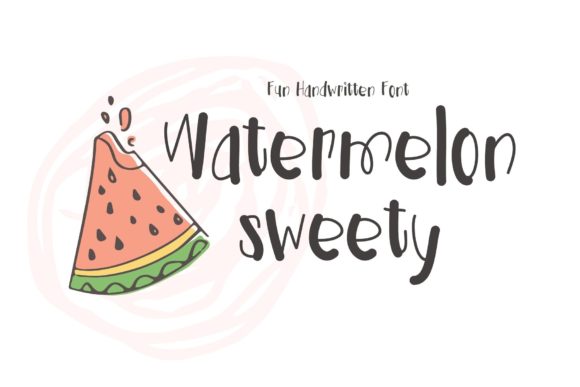
Watermelon Sweety Font for Web Design
As a web designer, I often find myself searching for the perfect font to elevate a project's visual identity. Recently, I tested Watermelon Sweety in a boutique online store layout and was immediately drawn to its playful yet polished aesthetic. This Script Handwritten font has a unique charm that adds personality without overwhelming the design.
Watermelon Sweety for Wedding Invitations and Elegant Branding
Watermelon Sweety is ideal for wedding invitations and elegant branding projects. Its quirky, handwritten style brings a sense of warmth and individuality to any design. When I used it on a wedding-related landing page, it helped create a cohesive and inviting brand experience. The font’s fluid curves and soft edges make it feel approachable while still maintaining a level of sophistication.
For a digital brand kit, I paired Watermelon Sweety with a clean sans serif font to balance the decorative elements. This combination allowed the font to shine as a headline while keeping the overall layout readable and professional.
Watermelon Sweety for Creative Portfolio and Online Store Headers
When designing a creative portfolio site, I experimented with Watermelon Sweety for the hero section. It added a touch of whimsy that matched the artist’s brand voice. The font’s versatility made it easy to use across different sections, from headings to call-to-action buttons.
In an online store, I used Watermelon Sweety for product banners and category headers. It gave the site a fresh, personalized look that stood out from more traditional fonts. However, I noticed that it worked best in larger sizes—smaller text could become difficult to read, especially on mobile devices.
Watermelon Sweety for Blog Graphics and Social Media Content
For a blog redesign, I incorporated Watermelon Sweety into header images and social media graphics. It brought a fun, engaging tone that resonated with the audience. The font’s hand-drawn quality made it perfect for creating eye-catching visuals that felt authentic and creative.
On social media, I used Watermelon Sweety for post titles and captions. It added a personal touch that aligned with the brand’s storytelling approach. However, I made sure to keep the text short and placed it over light backgrounds to maintain clarity.
Watermelon Sweety for Course Sales Pages and Digital Ads
When working on a course sales page, I applied Watermelon Sweety to the main headline and CTA button. It created a sense of excitement and energy that encouraged visitors to take action. The font’s uniqueness helped the page stand out in a competitive market.
For digital ads, I used Watermelon Sweety sparingly. It worked well for headlines but became less effective when used in longer paragraphs. I found that pairing it with a simpler font improved readability while still maintaining a creative edge.
Watermelon Sweety for Responsive Layouts and Mobile Screens
Testing Watermelon Sweety on mobile screens revealed some important considerations. While the font looked great on larger displays, it required careful sizing and spacing to ensure legibility on smaller devices. I adjusted the line height and letter spacing to improve readability without sacrificing the font’s character.
On dark backgrounds, Watermelon Sweety retained its clarity, but I avoided using it for body text. Instead, I reserved it for headings and decorative elements. For image overlays, I used the font in bold, contrasting colors to make it stand out without clashing with the background.
Watermelon Sweety for Logo Design and Brand Identity
Watermelon Sweety proved to be a strong choice for logo design. Its handwritten style gave the brand a friendly and memorable presence. I used it for a small business website logo and found that it complemented the company’s playful yet professional image.
When building a brand identity, I included Watermelon Sweety in the design system for key elements like headers, buttons, and promotional banners. It helped create a consistent visual language that reinforced the brand’s personality across different platforms.
Watermelon Sweety for Webfont Availability and Licensing
Before implementing Watermelon Sweety on a client project, I checked its webfont availability and licensing terms. It was available in multiple formats, making it easy to integrate into different design systems. I also verified that it supported a wide range of characters, which was important for multilingual content.
For commercial use, I ensured that the font license covered all intended applications, including websites, marketing materials, and digital templates. This helped avoid any potential legal issues and provided peace of mind for both the client and my design team.